TL;DR
- This toolbox talk covers crane safety basics for construction crews.
- Use this script for a 10 to 15 minute safety meeting before work begins.
- Covers the key hazards, required precautions, and what to do if something goes wrong.
- Have each attendee sign the attendance sheet and keep it on file.
- SafetyFolio includes 13 weeks of toolbox talk scripts matched to your trade, with a new one added every week through the Safety Membership.
Toolbox Talk: Crane Safety Basics
Good morning. Today's safety topic is crane safety basics. This is one of the leading causes of injuries and fatalities on construction sites, and it is 100% preventable when we follow the right procedures.
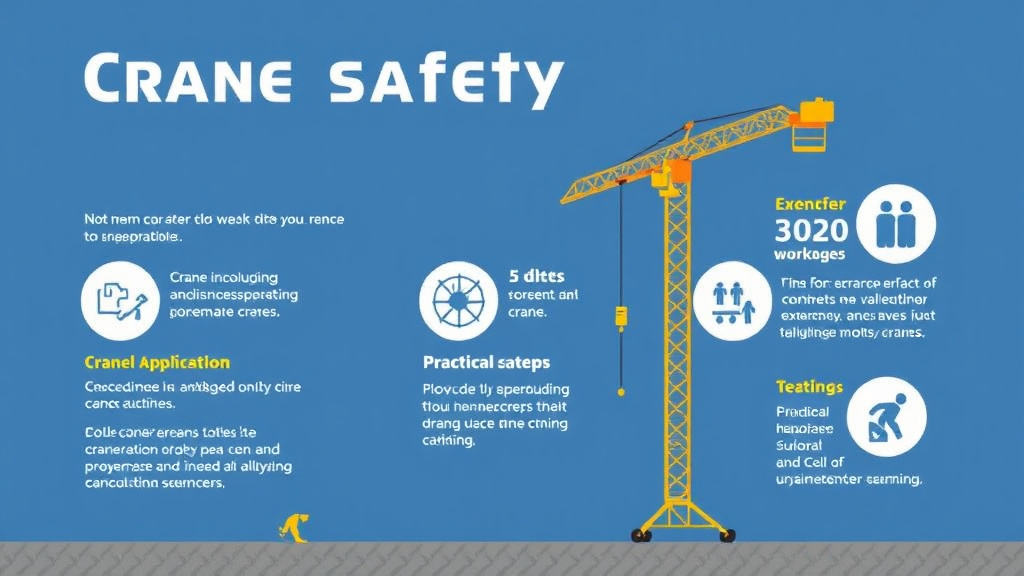
Take a look around the job site right now. Can you identify any hazards related to this topic? If you see something, say something. That is not a slogan. It is how we keep each other safe.
OSHA has specific standards that cover this topic, and we are required to follow them. But beyond the regulations, this is about going home to your family at the end of every shift. No job is so urgent that we cannot take the time to do it safely.
Let's go through the key points. I want everyone to pay attention and ask questions as we go. There is no such thing as a dumb question when it comes to safety.
Consistency matters more than perfection when it comes to toolbox talks. A 10-minute talk every Monday morning builds a safety habit that becomes part of your crew's culture. Skipping talks when you are busy sends the message that safety takes a back seat to production. Even on the busiest weeks, take 10 minutes. Your crew will notice, and so will an OSHA inspector reviewing your records.
Key Hazards to Watch For
The hazards related to crane safety basics include both obvious dangers and some that are less visible. Let's cover the main ones.
| Hazard | Risk Level | Prevention |
|---|---|---|
| Lack of training or awareness | High | Attend all safety meetings, ask questions |
| Damaged or missing safety equipment | High | Inspect equipment before each use |
| Failure to follow established procedures | High | Follow the safety plan, no shortcuts |
| Poor housekeeping and site conditions | Medium | Keep work areas clean and organized |
| Weather and environmental conditions | Medium | Monitor conditions, stop work if unsafe |
| Fatigue or distraction | Medium | Take breaks, stay focused on the task |
The most common contributing factor to incidents is complacency. Workers who have performed a task hundreds of times stop thinking about the hazards. They skip steps, take shortcuts, or fail to inspect their equipment. That is when injuries happen.
New workers are also at higher risk. If you have been on the crew for less than a year, you are statistically more likely to be injured. That does not mean you are doing anything wrong. It means you need to be extra vigilant and ask for help when you are unsure about something.
Environmental factors play a role too. Heat, cold, rain, wind, and poor lighting all increase the risk of incidents. If conditions are making the work unsafe, stop and reassess. No deadline is worth a trip to the hospital.
Make your talks relevant to the work happening that day or that week. If you are doing roof work, talk about fall protection. If you are digging a foundation, talk about excavation safety. Workers pay more attention when the topic directly relates to what they are about to do. Generic talks about safety in general are less effective than specific talks about specific hazards they will encounter in the next few hours.
Vary your delivery method. You can use a verbal presentation, a short video, a hands-on demonstration, or a group discussion. Mixing up the format keeps workers engaged over time. Some of the most effective toolbox talks involve bringing a piece of equipment to the meeting and having the crew practice inspection procedures together.
Required Precautions
Here is what we need to do every day to protect ourselves and each other when dealing with crane safety basics:
First, inspect all equipment before use. This includes personal protective equipment, tools, and any safety systems. If something is damaged or defective, take it out of service immediately. Do not use it "just this once." Tag it out and report it to the foreman.
Second, follow the procedures in our site-specific safety plan. The plan was written to address the specific hazards on this job. If you have not read it, ask the foreman for a copy. If you do not understand something in it, ask. The plan is only useful if you know what it says.
Third, use the required PPE at all times. No exceptions. Hard hats, safety glasses, and appropriate footwear are baseline requirements on every construction site. Additional PPE may be required depending on the task. Check with the foreman if you are unsure what PPE is needed for your assignment today.
Fourth, communicate with your coworkers. If you are about to do something that could create a hazard for someone else, let them know. If you see a coworker doing something unsafe, say something. It is not about being the safety police. It is about looking out for each other.
Fifth, know the emergency procedures. Where is the first aid kit? Who is the first aid trained person on this crew? Where is the nearest hospital? What is the phone number for 911 dispatch? If you do not know the answers to these questions, find out before you start work today.
Encourage questions and discussion. The best toolbox talks are not lectures. They are conversations. Ask your crew what hazards they see. Ask if anyone has had a close call with the topic being discussed. Share stories from other job sites (without names) to illustrate the real-world consequences of the hazards you are covering. Workers learn from stories more effectively than from rules.
Keep records of every toolbox talk, including the date, topic, presenter, and a list of attendees with signatures. These records serve as evidence of ongoing safety training during an OSHA inspection. They also demonstrate the good faith effort that can reduce penalties. Over the course of a year, 52 documented toolbox talks create a compelling record of your commitment to safety. SafetyFolio generates printable sign-in sheets you can keep with your Written Safety Program for easy retrieval.
Discussion Questions
Let's talk about this as a crew. I want to hear from you.
Has anyone here experienced a close call related to crane safety basics? What happened, and what did you learn from it? Sharing these stories helps everyone learn without someone having to get hurt.
What is the most common shortcut you see people take related to this topic? Why do you think they take that shortcut? How can we make the safe way also the easy way?
Are there any conditions on this job site right now that make this hazard more dangerous than usual? If so, what can we do about it today?
Does everyone know where the safety plan is and how to access it? Does everyone have the PPE they need? If not, let's get that sorted out right now, before we start work.
Remember, our goal is zero injuries. Not because OSHA requires it, but because every person on this crew deserves to go home safe. If you see a hazard at any point during the day, stop work and report it. We will figure out a safe way to proceed.
Vary your delivery method. You can use a verbal presentation, a short video, a hands-on demonstration, or a group discussion. Mixing up the format keeps workers engaged over time. Some of the most effective toolbox talks involve bringing a piece of equipment to the meeting and having the crew practice inspection procedures together.
Consistency matters more than perfection when it comes to toolbox talks. A 10-minute talk every Monday morning builds a safety habit that becomes part of your crew's culture. Skipping talks when you are busy sends the message that safety takes a back seat to production. Even on the busiest weeks, take 10 minutes. Your crew will notice, and so will an OSHA inspector reviewing your records.
Documentation and Follow-Up
Before we wrap up, everyone needs to sign the attendance sheet. This documents that we covered this topic today. Keep a copy in the job site binder and another in the office files.
If any issues came up during this discussion that need follow-up, the foreman will note them on the talk record. We will address them before work begins today or schedule a time to resolve them if they require additional resources.
Next week's toolbox talk will cover another topic relevant to our current work. If there is a specific safety topic you want to discuss, let the foreman know. Your input helps us focus on the hazards that matter most to this crew.
For more toolbox talk topics, SafetyFolio includes 13 weeks of scripts organized by hazard type in your Written Safety Program, with a new one added every week through the Safety Membership. Each one is written in plain language and designed to run in 10 to 15 minutes. Check out related talks on Fatigue Management and Pneumatic Tool Safety.
Stay safe out there today. Let's get to work.
Keep records of every toolbox talk, including the date, topic, presenter, and a list of attendees with signatures. These records serve as evidence of ongoing safety training during an OSHA inspection. They also demonstrate the good faith effort that can reduce penalties. Over the course of a year, 52 documented toolbox talks create a compelling record of your commitment to safety. SafetyFolio generates printable sign-in sheets you can keep with your Written Safety Program for easy retrieval.
Related Resources
- Fatigue Management
- Pneumatic Tool Safety
- Stepladder Safety Rules
- Safety Orientation Requirements
- Plumber Commercial Safety
Frequently Asked Questions
How can I stay safe when working with cranes?
Good morning. Today's safety topic is crane safety basics. This is one of the leading causes of injuries and fatalities on construction sites, and it is 100% preventable when we follow the right procedures.
What are the key hazards to watch for when using cranes?
The hazards related to crane safety basics include both obvious dangers and some that are less visible. Let's cover the main ones. Hazard Risk Level Prevention Lack of training or awareness High Attend all safety meetings, ask questions Damaged or mi
What precautions should I take when working with cranes?
Here is what we need to do every day to protect ourselves and each other when dealing with crane safety basics: First, inspect all equipment before use. This includes personal protective equipment, tools, and any safety systems. If something is damag
Why is it important to discuss crane safety with my crew?
Let's talk about this as a crew. I want to hear from you.
When should I document crane safety training and follow up on issues?
Before we wrap up, everyone needs to sign the attendance sheet. This documents that we covered this topic today. Keep a copy in the job site binder and another in the office files. If any issues came up during this discussion that need follow-up, the
Can I get compliant with crane safety requirements easily?
SafetyFolio generates site-specific safety plans, toolbox talk scripts, and incident reports in minutes. No safety degree required. Built for small contractors who need to stay compliant without the overhead of a full-time safety dire