TL;DR
- Photograph Rights OSHA Inspection is essential knowledge for every construction contractor.
- OSHA can inspect any construction site, often without advance notice.
- You have rights during an inspection, including the right to accompany the inspector.
- Good documentation is your strongest defense against citations.
- SafetyFolio's Written Safety Program keeps your compliance documentation organized and inspection-ready.
Photograph Rights OSHA Inspection: What Every Contractor Must Know
An OSHA inspection can happen to any construction contractor at any time. Whether it is triggered by a complaint, an accident, a referral from another agency, or a random programmed inspection, the compliance officer will arrive expecting to see a safe job site with proper documentation.
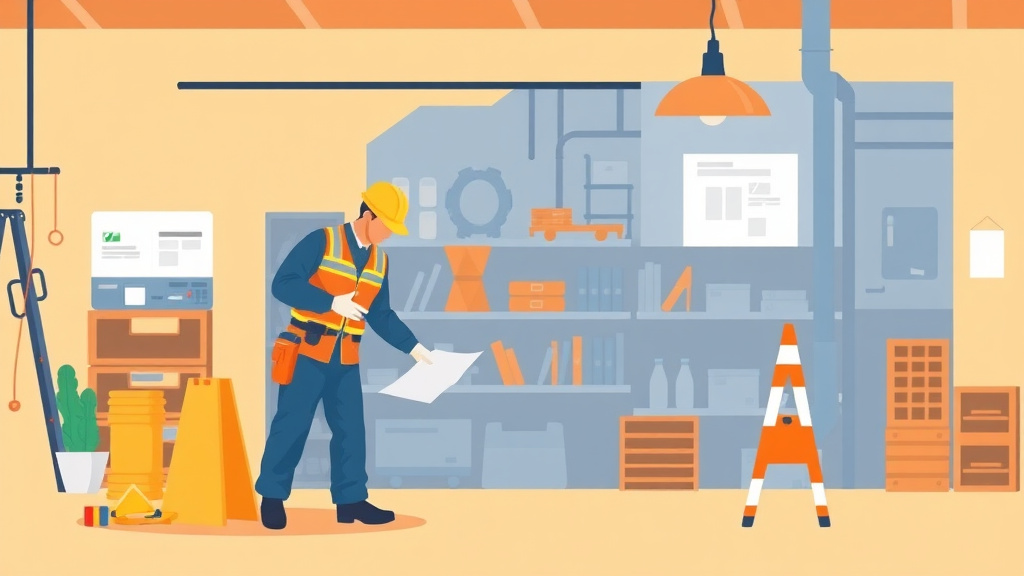
Most small contractors have never been through an OSHA inspection. When the compliance officer shows up, panic sets in. Workers scatter. The foreman starts looking for a safety binder that may or may not exist. The owner gets a frantic phone call. This is not a good position to be in.
The better approach is to be prepared before the inspector arrives. Know the process, know your rights, and have your documentation ready. The inspection itself follows a predictable sequence: credentials and opening conference, walkaround inspection, employee interviews, and closing conference. Each phase has its own dynamics.
Contractors who are prepared for inspections have significantly better outcomes. They receive fewer citations, lower penalties, and resolve issues faster. Preparation does not mean hiding problems. It means having systems in place that demonstrate your commitment to safety.
The walkaround is the most critical phase of the inspection. Everything the compliance officer sees, photographs, and documents during the walkaround becomes the basis for any citations. Your representative should shadow the inspector closely, taking parallel notes and photos. If the inspector photographs a hazard, photograph the same thing from the same angle. If they measure a distance, note the measurement. This parallel documentation is invaluable if you need to contest a citation later.
The Inspection Process Step by Step
| Phase | What Happens | Your Role |
|---|---|---|
| Credentials | Inspector shows OSHA ID | Verify credentials, note inspector name and office |
| Opening Conference | Inspector explains scope and purpose | Listen, take notes, designate your representative |
| Walkaround | Inspector examines the work site | Accompany the inspector, take notes and photos |
| Employee Interviews | Inspector talks to workers privately | Cannot interfere, but ensure workers know their rights |
| Document Review | Inspector requests written programs, training records | Provide requested documents, make copies |
| Closing Conference | Inspector discusses findings | Ask questions, understand potential citations |
During the opening conference, the inspector will explain why they are there (complaint, programmed, referral, etc.) and the scope of the inspection. Designate someone to accompany the inspector during the walkaround. This is your right under the OSH Act, and you should always exercise it.
During the walkaround, take your own notes and photos. Document everything the inspector looks at, photographs, or comments on. If the inspector points out a hazard, do not argue on the spot. Simply note it and correct it immediately if possible. Correcting hazards during the inspection demonstrates good faith.
Employee interviews are conducted privately, and you cannot be present. However, you can ensure your workers know that they have the right to have a representative present if they wish, and that OSHA prohibits retaliation for anything they say during an interview.
The closing conference is your opportunity to understand what the inspector found. Ask clarifying questions. If you have already corrected a hazard noted during the walkaround, mention it. The inspector may note this as a good faith effort.
Correcting hazards on the spot during an inspection is one of the most effective things you can do. If the inspector points out a missing guardrail, install one immediately. If a ladder is set up incorrectly, fix it. If a worker is missing PPE, provide it. OSHA gives credit for quick correction, and it demonstrates the good faith that can reduce penalties by up to 25%. Some violations that are corrected immediately may be downgraded or even withdrawn.
The informal conference is your best opportunity to influence the outcome after citations are issued. Come prepared with documentation: your safety program, training records, inspection logs, photos of corrected hazards, and any other evidence that demonstrates your good faith and compliance efforts. The area director has the authority to reclassify violations, reduce penalties, and modify abatement deadlines. Most informal conferences result in some reduction, but the amount depends on the quality of your documentation.
Your Rights During an Inspection
Employers have significant rights during an OSHA inspection. Knowing and exercising these rights can materially affect the outcome.
You have the right to see the inspector's credentials. OSHA compliance officers carry official identification. Verify it before allowing access. If something seems wrong, call the local OSHA office to confirm.
You have the right to require a warrant. Under the Fourth Amendment, OSHA generally needs either your consent or a warrant to inspect your workplace. However, refusing entry has consequences. OSHA will obtain a warrant, and the delay may increase their scrutiny. Most contractors choose to allow the inspection.
You have the right to accompany the inspector during the walkaround. Exercise this right every time. Your representative should take detailed notes and photographs parallel to the inspector's.
You have the right to an opening and closing conference. Use the closing conference to understand the inspector's findings and ask questions about potential citations.
You have the right to contest any citation or penalty within 15 business days of receiving it. This includes requesting an informal conference, filing a formal notice of contest, or both. See our citation contest guide for the full process.
You have the right to claim trade secret protection for proprietary processes or formulations observed during the inspection.
Employee interviews are a wildcard in any inspection. Workers may not understand the legal implications of what they say, and they may inadvertently provide information that supports a citation. While you cannot coach workers or interfere with their interviews, you can prepare them through ongoing training. Workers who understand safety procedures and can articulate them clearly will give responses that support your compliance efforts rather than undermine them.
Keep a dedicated inspection response kit ready at all times. This kit should include your company safety manual, recent training records, equipment inspection logs, OSHA 300 log, emergency contact information, a camera or phone for documentation, a notebook for taking notes during the inspection, and contact information for your attorney or safety consultant. Having this kit organized and accessible eliminates the scramble that happens when an inspector arrives unexpectedly.
Preparing Your Documentation
The single most important thing you can do to prepare for an OSHA inspection is to have your documentation organized and accessible. Inspectors will typically request the following:
Your OSHA 300 log and 300A summary for the current year and the previous five years. These should be completed, accurate, and readily available.
Your written safety programs, including your site-specific safety plan, hazard communication program, fall protection plan, and any other programs applicable to the work being performed.
Training records for all workers on site. This includes OSHA 10/30 cards, hazcom training, fall protection training, equipment-specific training, and weekly toolbox talk attendance records.
Equipment inspection records. Daily scaffold inspections, fall protection equipment inspections, crane inspection logs, and any other required equipment checks.
SafetyFolio keeps all of these documents together in one Written Safety Program, delivered at a permanent link you can access, print, or save anywhere. When the inspector asks for your fall protection training records, you can pull up your program instead of digging through a filing cabinet.
Run a mock inspection at least once a year. Walk your site with fresh eyes and a checklist. Look for the same things an OSHA inspector would look for. Fix what you find and document the corrections. This practice alone can prevent most citations. Use our mock inspection guide to get started.
The informal conference is your best opportunity to influence the outcome after citations are issued. Come prepared with documentation: your safety program, training records, inspection logs, photos of corrected hazards, and any other evidence that demonstrates your good faith and compliance efforts. The area director has the authority to reclassify violations, reduce penalties, and modify abatement deadlines. Most informal conferences result in some reduction, but the amount depends on the quality of your documentation.
The walkaround is the most critical phase of the inspection. Everything the compliance officer sees, photographs, and documents during the walkaround becomes the basis for any citations. Your representative should shadow the inspector closely, taking parallel notes and photos. If the inspector photographs a hazard, photograph the same thing from the same angle. If they measure a distance, note the measurement. This parallel documentation is invaluable if you need to contest a citation later.
After the Inspection: Next Steps
If the inspection results in citations, you will receive them by mail, typically within six months of the inspection. Each citation will specify the standard violated, the hazard description, the proposed penalty, and the abatement deadline.
You have 15 business days from receipt of the citation to take action. Your options include paying the penalty and abating the hazard, requesting an informal conference with the OSHA area director, filing a formal notice of contest, or a combination of these.
The informal conference is usually the best first step. It gives you the opportunity to present additional information, discuss the citations with the area director, negotiate penalty reductions, and reach a settlement agreement. Many contractors reduce their penalties by 30% to 50% through this process.
If you cannot resolve the citations through an informal conference, you can file a formal notice of contest. This initiates a legal proceeding before the Occupational Safety and Health Review Commission. At this point, you should strongly consider hiring an attorney who specializes in OSHA defense.
Regardless of whether you contest, you must abate the hazards by the deadline specified in the citation (unless you contest the abatement date specifically). Document your abatement actions thoroughly. OSHA may conduct a follow-up inspection to verify abatement, and failure to abate carries daily penalties of up to $16,131.
Keep a dedicated inspection response kit ready at all times. This kit should include your company safety manual, recent training records, equipment inspection logs, OSHA 300 log, emergency contact information, a camera or phone for documentation, a notebook for taking notes during the inspection, and contact information for your attorney or safety consultant. Having this kit organized and accessible eliminates the scramble that happens when an inspector arrives unexpectedly.
Related Resources
- Installment Payment OSHA Penalties
- Petition for Modification Abatement
- Confidentiality During Inspections
- Scaffold Load Capacity
- OSHA Requirements Home Builders
Frequently Asked Questions
How can I prepare for an OSHA inspection as a contractor?
The single most important thing you can do to prepare for an OSHA inspection is to have your documentation organized and accessible. Inspectors will typically request your OSHA 300 log and 300A summary, as well as your written safety programs, including your hazard communication plan.
What happens during an OSHA inspection for a contractor?
During the opening conference, the inspector will explain why they are there (complaint, programmed, referral, etc.) and the scope of the inspection. Designate someone to accompany the inspector during the walkthrough, where they will examine the worksite for any potential violations.
Why do contractors need to know their rights during an OSHA inspection?
Employers have significant rights during an OSHA inspection. Knowing and exercising these rights can materially affect the outcome. You have the right to see the inspector's credentials and to require a warrant before allowing access to the site.
Can any construction contractor be subject to an OSHA inspection?
An OSHA inspection can happen to any construction contractor at any time. Whether it is triggered by a complaint, an accident, a referral from another agency, or a random programmed inspection, the compliance officer will arrive expecting to see a safe and compliant worksite.
Is there an easy way for small contractors to stay OSHA compliant?
SafetyFolio generates site-specific safety plans, toolbox talk scripts, and incident reports in minutes. No safety degree required. Built for small contractors who need to stay compliant without the overhead of a full-time safety director.